Who We Are
The Trans-Atlantic Pancreatic Cancer Alliance (TAPCA) bridges for the first time some of the leading Pancreatic Ductal Adenocarcinoma investigators from the Western and Eastern Hemispheres of the world to form the largest power grid of translational research and surgery exclusively dedicated to pancreatic cancer.
The Mission:
To finally beat PDAC into the family of today’s more curable human cancers by significantly expanding TAPCA’s financing capabilities to boost research and improve treatment outcomes.
Meet our founding Members
TAPCA aims to expand far beyond.
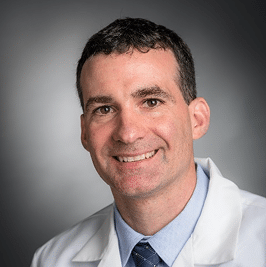
Andrew Aguirre
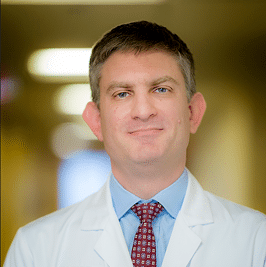
Brian Wolpin
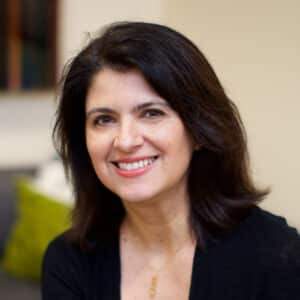
Gabriela Chiorean
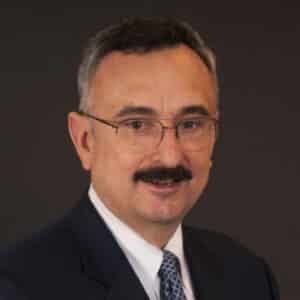
Carlos Fernandez-del Castillo
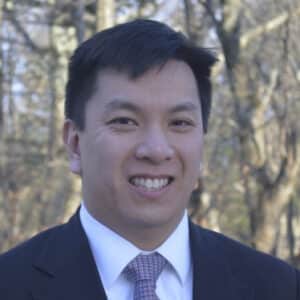
David T. Ting
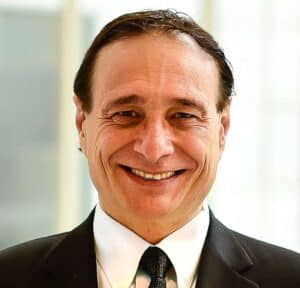
Raul Urrutia
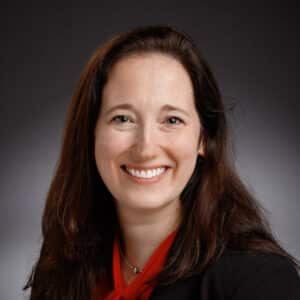
Gwen Lomberk
Anirban Maitra
Rebecca Snyder
Matt Katz
Eileen O Reilly
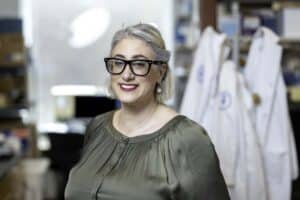
Christine Iacobuzio-Donahue
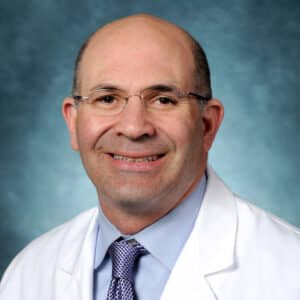
Jonathan Brody
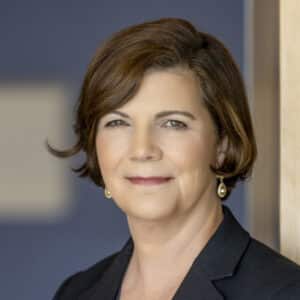
Diane Simeone
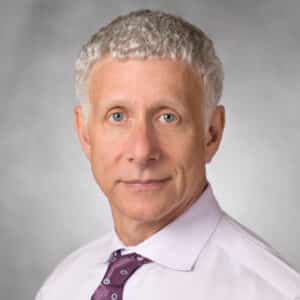
Andrew Lowy

Margaret Tempero
Ajay Maker

Rushika Perera
Marina Pasca di Magliano
Jen Jen Yeh
Jordan Berlin
Vincent Picozzi
Philip A Philip
Manuel Hidalgo
Amy de Haar-Holleman
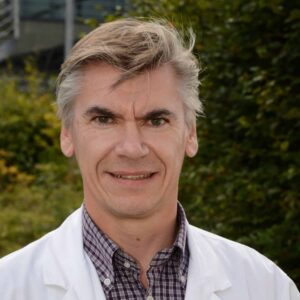
J.L. Van Laethem
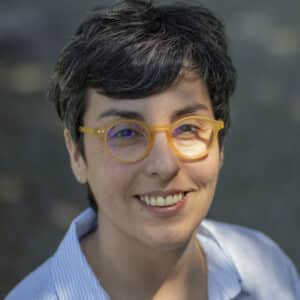
Ana Martins
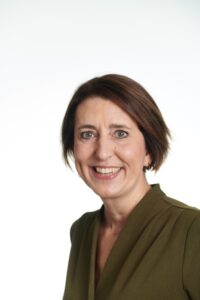
Ilse Rooman
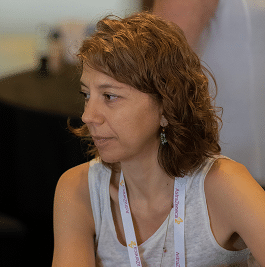
Marianna Vitaloni
Rami Aqeilan

Søren Brunak
Antoine Hollebecque
Emmanuel Mitry
Rémy Nicolle
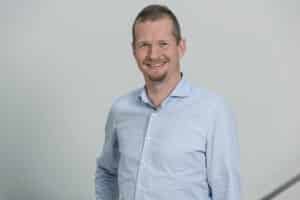
Niels Halama
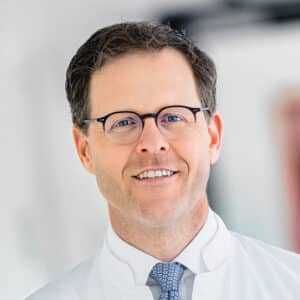
Christoph Michalski
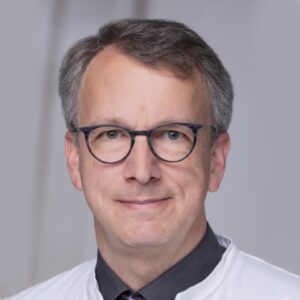
Patrick Michl
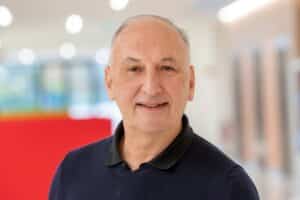
John Neoptolemos
Dieter Saur
Thomas Seufferlein
Jens Siveke
Christoph Springfeld

Grainne O'Kane
Paola Cappello
Riccardo Casadei

Giovanni Marchegiani
Federica Marchesi
Michele Reni
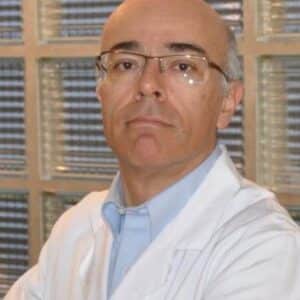
Alessandro Zerbi
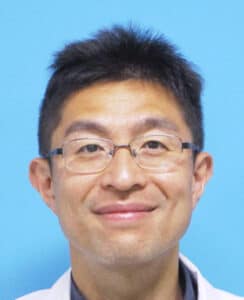
Akihisa Fukuda
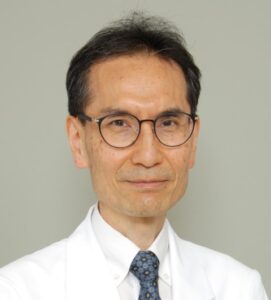
Takuji Okusaka
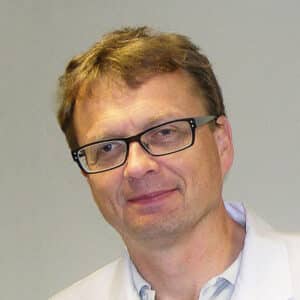
Anders Molven
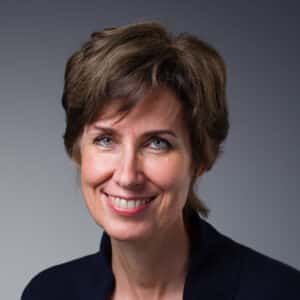
Caroline Verbeke
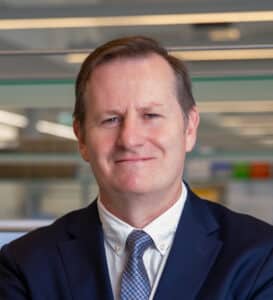
Peter Bailey
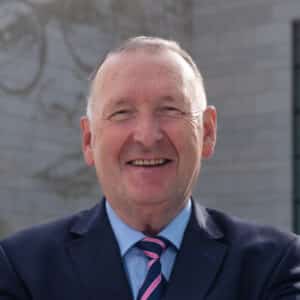
Markus W. Büchler
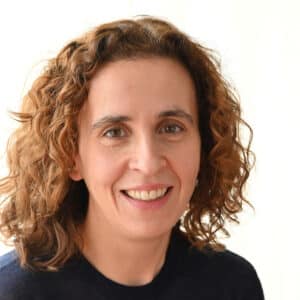
Sónia Melo
Alfredo Carrato
Teresa Macarulla
Mariano Ponz-Sarvise
Fernando Rotellar

Matthias Löhr
Daniel Öhlund
Claudia Mellenthin
Elisa Giovannetti
Marc Besselink
Bas Groot Koerkamp

Eithne Costello
Paula Ghaneh
Bill Greenhalf

Jen Morton

Daniel Palmer
Michael Schmid
Andrew Aguirre
Brian Wolpin
Gabriela Chiorean
She has been the chair of the ASCO Plenary Series for GI Cancers, chaired multiple ASCO Scientific Committees for GI Cancers and Developmental Therapeutics, and co-chaired the ASCO international expert panel for Late-Stage Colorectal Cancer Guidelines. Dr Chiorean is an editorial board member for the journals Seminars in Oncology and Cancers, and has authored over 200 peer reviewed research publications in journals such as Science, New England Journal of Medicine, Journal of Clinical Oncology, Lancet Oncology, JAMA Oncology and Annals of Oncology and abstracts at national and international cancer meetings. Dr. Chiorean’s clinical and translational research interests for pancreatic and gastrointestinal cancers are focused on biomarker driven precision oncology, cellular immunotherapies, and novel therapeutics.
Carlos Fernandez-del Castillo
David T. Ting
Director, Tumor Cartography Center,
Director, Biomarker Discovery Lab,
Zebunisha Juma Endowed Chair,
Mass General Cancer Center,
Associate Professor of Medicine, Harvard Medical School
David T. Ting, M.D., is the Associate Clinical Director for Innovation and Co-Director of the Biomarker Discovery Lab for the Mass General Cancer Center. He is the Zebunisha Juma Endowed Chair and Associate Professor of Medicine at Harvard Medical School. Dr. Ting received his B.S. in chemical engineering and biology from MIT, and he completed his medical degree at Harvard Medical School from the Harvard-MIT Health Sciences and Technology program with magna cum laude honors. During his undergraduate and medical school studies, he trained with Dr. Robert Langer at MIT on drug delivery platforms and did a Howard Hughes Medical Institute fellowship at the Whitehead Institute at MIT working on stem cell biology with Dr. George Daley, current Dean of Harvard Medical School. He completed internal medicine residency at the MGH and medical oncology fellowship in the combined Dana-Farber Cancer Institute and MGH Cancer Center program. He moved on to post-doctoral training with Daniel Haber’s group at the MGH Cancer Center working on CTCs and novel RNA biomarkers in cancer. Dr. Ting’s lab works on understanding RNA expression patterns in cancer to gain biological insight into the role of tumor heterogeneity in cancer progression, develop biomarkers applicable to the clinic, and to identify novel therapeutic avenues against cancer. His group uses single cell analytics to understand the relationship of cancer microenvironment and tumor heterogeneity. In parallel, these single cell technologies have been applicated to circulating tumor cells (CTCs) that have been isolated with microfluidic enrichment technologies to understand the molecular underpinnings of cancer metastasis and provide a path for blood based biomarkers. In addition, his group has discovered the aberrant expression of non-coding repeat RNAs that appear to play an important role in both the tumor microenvironment and metastasis. His work has led to the founding of three biotech companies, PanTher Therapeutics, ROME Therapeutics, and TellBio, Inc..
https://www.massgeneral.org/cancer-center/clinical-trials-and-research/center-for-cancer-research/investigators/ting-lab
Raul Urrutia
He is also an active Emeritus Professor at Mayo Clinic, where he served for 25 years, after completing seven years of research training at the National Institutes of Health (NIH). His expertise spans data science and experimental biology, focusing on disease mechanisms and the development of novel therapies.
A pioneer in pancreatic cancer genomics and epigenomics, Dr. Urrutia has served as President of the American Pancreatic Association, Chairman of the Pancreatic Diseases Section of the American Gastroenterology Association, Council Member of the International Association of Pancreatology, and Chief Scientific Officer of the Cancer Epigenomic Society.
Because of the importance of his work, he has been inducted as a member of the American Society of Clinical Investigation, USA, and has held Editor-in-Chief, Associate Editor, and Editorial Board roles for major scientific journals. He also serves as a scientific reviewer for funding agencies and institutions in the USA, Europe, Asia, and Latin America. Dr. Urrutia’s research has significantly advanced the understanding of molecular pathways in pancreatic cancer, driving precision medicine applications in diagnosis and therapy through interdisciplinary teams that integrate clinical, molecular, and computational sciences.
As an educator and mentor, he has trained more than 50 graduate students, postdoctoral fellows, and junior faculty members, many of whom now hold leadership positions worldwide. His career exemplifies leadership in expanding the knowledge of pancreatic cancer, and he is an advocate who actively promotes awareness of the needs of patients affected by this disease.
Gwen Lomberk, Professor and the Joel and Arlene Lee Chair
Anirban Maitra
Rebecca Snyder
Department of Surgical Oncology, MD Anderson Cancer Center
Dr. Rebecca Snyder is Associate Professor, Departments of Surgical Oncology and Health Services Research, at The University of Texas MD Anderson Cancer Center in Houston, Texas. Her clinical practice is focused on caring for patients with pancreatic cancer, and her research efforts concentrate on pancreatic cancer clinical trials as well as patient-centered cancer care. Dr. Snyder is Co-Chair of the Gastrointestinal Surgery Working Group of the Alliance for Clinical Trials in Oncology and a member of the AHPBA Clinical Trials Committee and the SSO Hepatopancreatobiliary Disease Site Working Group. She is an experienced investigator and has published original scientific studies in high-impact journals including JAMA, JAMA Surgery, and JNCI.
Matt Katz
Eileen O Reilly
Christine Iacobuzio-Donahue
Jonathan Brody
Research focus: Dr. Brody has dedicated his career to the understanding of the molecular underpinnings of pancreatic tumorigenesis. He has published >160peer reviewed publications, over 100 related specifically to pancreatic cancer. Indeed, these articles cover a diverse range of cancer related topics from patient outcomes to the development of assays to improving therapeutics to reviews on personalized medicine and perspectives on training. Included in this list of publications are key papers listing the bench-bedside work related to personalized therapy (primarily focused on PDAC tumors with DNA repair defects) and work on an RNA binding protein (HuR) that is relevant to acute therapeutic resistance mechanisms. Of note, recently the pre-clinical work from his laboratory on pyrvinuim pomoate was published and set the framework for an initiated clinical trial (NCT05055323). In fact, Dr. Brody’s laboratory has also provided part of the pre-clinical work that supported a recently completed clinical trial involving PARP inhibitors (PMID: 32669374), a focus of his current work. Key studies in the Brody lab discovered that HuR regulated WEE1, IDH1, and PARG. Additionally, his lab has published on drug-target relationships in PDAC cells including many druggable targets directly or indirectly evaluated now for cancer: IDH1, WEE1, PARG, TOP1, thymidylate synthase, CD4/6, HuR, and DNA repair genes (e.g., Fanconi Anemia genes and BRCA2).Early in his career he received a Pancreatic Career Development Award (PanCAN) which initiated his line of investigation into the RNA binding protein HuR which helped to identify and validate PDAC targets, PARG, IDH1 and WEE1, both explored in his lab now. He has now recently been named to the SMAB for PanCAN and the council for the PCARP Programmatic Panel. To date, the Brody lab is the primary lab working on identifying new targets and understanding therapeutic resistance in PDAC. In relation to mentoring, his recently graduated post-doc (Aditi Jain) and his surgeon-scientist mentee at OHSU (Robert Eil) received PanCAN Career Development Awards, underscoring Dr. Brody’s commitment to mentorship. Dr. Brody currently holds NIH and DoD funding to study: 1) metabolic vulnerabilities in PDAC (setting the stage for an initiated clinical trial targeting IDH1 with a surgeon-scientist); 2) a 3D/4D progression model of pancreatic tumorigenesis related to BRCA1/2 germline mutations; 3) disparities in Oregon in the Native American communities as it relates to pancreatic cancer.
Internal leadership at OHSU: Dr. Brody is the Associate Director for the Knight BCCPC and Vice Chair of Research for the Dept. of Surgery. He also is the lead co-director for the STEMM, Distance Learning program at OHSU and serves on many leadership and mentoring committees. He is also leading the charge with Dr. Clay Kills First to addressing the disparities in Oregon in relation to PDAC care (recently funded by the Kuni Foundation and the DoD).
External leadership: Dr. Brody served on the DOD Council for the Peer Reviewed Cancer Research Program for many years and was elected as previous Chair. He has now recently been named to the SMAB for PanCAN and the council for the PCARP Programmatic Panel. Additionally, Dr. Brody was a permanent member and Chair of the CPSS NIH study section and was a recent Chair of the Tumor Biology and Genomics Study Section (American Cancer Society). He served as the chair of the PanCAN career development award study section. He has served on numerous panels (NIH, DOD, American Cancer Society related)and is also the acting co-Editor-in-Chief of Cancer, Biology and Therapy and Molecular Biology Reports. He was asked to be a panelist on the education session at the Annual AACR meeting (2022): “The Importance of Surgeon Engagement for Translational Cancer Research.”
Jonathan Brody, Ph.D. Current highlights, and leadership roles:
- Professor in the Department of Surgery and Endowed Chair at OHSU, focusing on pancreatic cancer.
- Vice chair of research, Dept. of Surgery, OHSU
- Associate Director of Translational Research at the Brenden-Colson Center for Pancreatic Care.
- Co-leader of the Healthy Oregon Project and a member of various research groups, including the Knight Cancer Institute.
- Completed chair of a NIH study section, ad hoc reviewer; Previous chair and council member of a Dept. of Defense Cancer Program, current member of the pancreatic cancer DoD program
- Gerlinger Surgical Chair
Diane Simeone
Andrew Lowy
Dr. Lowy has served in a number of national leadership roles including the NCI Clinical Trials and Translational Research Committee which advised on development of pancreatic cancer research priorities for the Recalcitrant Cancers Act, serving as vice-chair of the NCI Pancreatic Cancer Task Force, and chair from 2016-2021. He now serves on the NCI GI Steering Committee and has served as co-leader of the SWOG pancreas cancer subcommittee since 2007. Dr. Lowy serves on the NCCN pancreatic cancer guidelines panel and on advisory boards for PANCAN, The Lustgarten Foundation, PANKIND, and The National Pancreas Foundation. Most recently, Dr. Lowy co-led the creation of the University of California Pancreatic Cancer Consortium.
Margaret Tempero
In research, Tempero was a pioneer in applying radioactively tagged antibodies for cancer therapy. She has led national and international research projects on gastrointestinal cancers, including pancreatic cancer.
Tempero has held many national and international leadership positions, including President of the American Society of Clinical Oncology, President of the American Pancreatic Association, and Editor in Chief of the Journal of the National Comprehensive Network.
At UCSF, She is the Rombauer Family Distinguished Professor in Pancreas Cancer Clinical and Translational Science. Prior to joining UCSF, she was Deputy Director of the Buffet Cancer Center at the University of Nebraska.
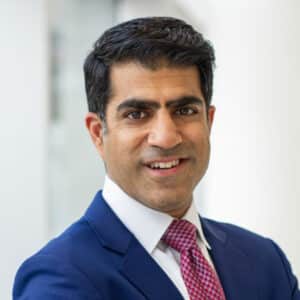
Ajay Maker
Professor and Chief of Surgical Oncology
Surgeon In Chief, Helen Diller Family Comprehensive Cancer Center
Maurice Galante Distinguished Professor in Surgical Oncology
Dr. Maker is the Surgeon-In-Chief of the UCSF Helen Diller Family Comprehensive Cancer Center, Maurice Galante Distinguished Professor, and Chief of Surgical Oncology at the University of California San Francisco. He graduated from Brown University with dual degree honors in fine arts/painting and drawing, and biology. Thereafter, he enrolled in the Yale School of Medicine where he graduated with the Gold Medal in Surgery, followed by residency in general surgery at Brigham and Women's Hospital of Harvard Medical School. He trained in surgical oncology at the NIH and completed postdoctoral studies in tumor immunology at the National Cancer Institute under Dr. Steven Rosenberg. This research included trials that led to approval by the Food and Drug Administration of Ipilimumab as a new treatment for metastatic cancer. He later completed a fellowship in surgical oncology at Memorial Sloan Kettering Cancer Center and then gained experience in minimally invasive surgical techniques at the University of Paris. Prior to joining UCSF, he was a tenured professor in the Departments of Surgery and Microbiology and Immunology at the University of Illinois at Chicago where he was Director of Surgical Oncology for the Creticos Cancer Center and Director of Translational Oncology.
He has focused the efforts of his research career on expanding the role of immunotherapy for colorectal liver metastases, and in establishing biomarkers of malignancy in pancreatic cystic tumors for early detection of pancreatic cancer. His work has been funded consistently for over a decade and he has aligned his clinical practice to coincide with his research interests. He is the principal investigator on federal grants awarded by the National Cancer Institute/National Institutes of Health and Department of Defense, including the NCI R37 MERIT award. He has published more than 250 manuscripts, abstracts and book chapters, and he lectures nationally and internationally.
Rushika Perera
Dr. Perera received her PhD from the University of Melbourne in Australia and trained at Yale University and the Massachusetts General Hospital and Harvard Medical School in Boston before joining the faculty at UCSF in 2015.
Dr. Perera leads an NIH-funded research laboratory focused on understanding how fundamental cell biological processes that regulate metabolism, protein trafficking and quality control are dysregulated in pancreatic cancer, with the aim of identifying new cancer specific vulnerabilities that can be targeted clinically.
Dr. Perera is the recipient of the NIH Director’s New Innovator Award, the Damon Runyon-Rachleff Innovation Award, the Pancreatic Cancer Action Network-AACR Career Development Award, the AACR-MPM Transformative Cancer Research Award and was selected as the 2021 Gunter Blobel Early Career Award recipient of the American Society for Cell Biology.
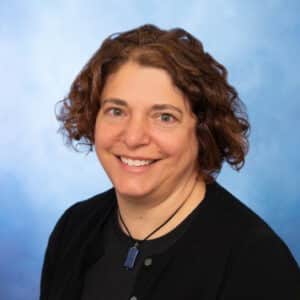
Marina Pasca di Magliano
In addition to running her laboratory, Dr Pasca di Magliano is the co-leader of the Cancer Biology research program for the Rogel Cancer Center at the University of Michigan; she is also Scientific Director of the Rogel and Blondy Pancreatic Cancer Center at the University of Michigan. Dr Pasca di Magliano is also highly involved in graduate and undergraduate training and as mentor to junior faculty on campus. Dr Pasca di Magliano serves on the Scientific and Medical Advisory Board of the Pancreatic Cancer Action Network and on the Scientific Advisory Board of the Hirshberg Foundation.
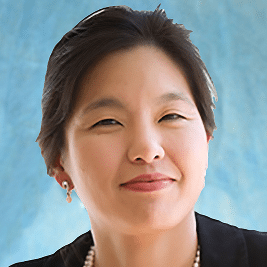
Jen Jen Yeh
Professor of Surgery and Pharmacology
Vice Chair of Research, Department of Surgery
Director, UNC Lineberger Pancreatic Cancer Center of Excellence
co-Associate Director of Education, co-Clinical Research Program Leader, UNC Lineberger
Dr. Yeh is a Professor in the Division of Surgical Oncology and Endocrinology in the Department of Surgery at the University of North Carolina (UNC) at Chapel Hill where she is Assistant Dean for Translational Research. She has an active surgical oncology practice focused on patients with melanoma, endocrine and pancreatic cancers, and is the Director of the Pancreatic Cancer Center of Excellence in the Lineberger Comprehensive Cancer Center, where she is also Interim Associate Director of Translational Research.
Dr. Yeh’s research interests have been focused on integrating clinical, computational and biological approaches to tackle the complexities of pancreatic cancer. Her work has included the identification and understanding tumor-intrinsic molecular subtypes of pancreatic cancer that are prognostic and may predict treatment response. Dr. Yeh is co-founder of Focal Medical, Inc, focused on the advancement of iontophoretic delivery of oncology drugs for challenging tumors such as pancreatic cancer. She currently leads the UNC Selective Targeting of Pancreatic Cancer P50 SPORE and a U01 in the Pancreatic Cancer Stroma Reprogramming Consortium (PSRC). Her long-term goal of her research is to identify promising approaches for pancreatic cancer and accelerating their translation to the clinic.
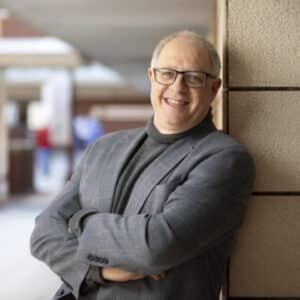
Jordan Berlin
Vincent Picozzi
Dr Picozzi sees approximately 200 new patients with pancreaticobiliary cancer, and is very active in clinical research and drug development both at his own institution and internationally, He is currently the director of the Clinical Trials Consortium and Co-Principal Investigator of the Precision Promise initiative, formerly sponsored by the Pancreatic Cancer Action Network ( PANCAN) and now by the Global Coalition for Adoptive Research. A member and former national chairman of PANCAn's Scientifi and Medical Advisory Board, Dr, Picozzi has published over 200 scientific articles, book chapters and abstracts and has been a featured speaker at every major US meeting involved with pancreatic cancer.
Philip A Philip
Manuel Hidalgo
Amy de Haar-Holleman
She is in the process of establishing her own research group embedded in the Translational Oncology Research Centre of Vrije Universiteit Brussel (Belgium) and part of the co-partnership with the University of Brussels (ULB) for pancreatic cancer research (BRU-PACT). Her research focuses on early detection as well as new treatment paradigms in pancreatic cancer. She is a member of Pancreatic Cancer Europe and the international Pancreatic Cancer Early Detection (PRECEDE) consortium.
J.L. Van Laethem
His main activity is to coordinate the multidisciplinary management of patients with gastrointestinal cancer and to promote research and education in this field ;his topic of interest is pancreatic cancer and the development of platforms that integrate patients care and translational research .
Jean-Luc VAN LAETHEM was previously chairman of the pancreatic cancer task force at EORTC GI Group and is currently board member of the European Society of Digestive Oncology (ESDO). He is past chair of the Belgian Group of Digestive Oncology (BGDO) and past general secretary of the “Société Royale Belge de Gastroentérologie-SRBGE”. He also served as member of the scientific comitee of the UEG.
He authored or co-authored more than 270 pubmed referenced publications with an H-index of 80.
He coordinated several national and international trials in pancreatic cancer , currently leading the STEREOPAC trial.
Ana Martins
Ilse Rooman
Full Professor, Vrije Universiteit Brussel, Translational Oncology Research Centre, Laboratory of Medical and Molecular Research
Dr Rooman has been studying the pancreas during her entire scientific career, starting off with PhD studies on cell regeneration and plasticity in the context of cell therapy for diabetes, but gradually becoming more focused on cancer.
She twice set up a research group; In 2011, she was appointed at the Garvan Institute of Medical Research in Australia. Her team was devoted to finding new genes and pathways that are at play in pancreatic tumor development (hypothesis driven and unbiased integrative –omics analyses from the efforts of the International Cancer Genome Consortium). In 2016, she was granted an Odysseus fellowship from the Research Foundation - Flanders (FWO) to build a research team at Vrije Universiteit Brussel (Belgium) where she is now full professor in the Translational Oncology Research Centre (https://torc.research.vub.be/en/medical-and-molecular-oncology). Dr Rooman continues to work in the field of pancreatic (cancer) biology, studying pancreatic exocrine cell plasticity in homeostasis and cancer; Exocrine acinar and ductal cells are the cells of origin for tumor formation. They study differentiation changes in these cells or subsets of these cell populations, and their role in tumor initiation. They also discovered a new cell type/state, i.e. pancreatic basal cells that are under investigation in non-neoplastic tissue and cancer. Lastly, they focus on the role of a set of axon guidance genes in cancer. Next to her research team, Dr Rooman has also taken on the Directorship of the new core-facility Visual and Spatial Tissue Analysis (https://vsta.research.vub.be) at VUB that serves academia and industry. Dr Rooman is also board member of Pancreatic Cancer Europe (https://pancreaticcancereurope.eu).
Marianna Vitaloni
Her passion for human health and well-being has been a driving force since the start of her career. She earned a degree in Medical and Pharmaceutical Biotechnology and completed a Ph.D. in Genetics and Human Pathology through international collaborations with institutions in the United States and Spain. As a biomedical researcher, her work centered on regenerative medicine, stem cells, and therapeutic approaches to disease.
During her research, Marianna developed a strong interest in public and global health, which inspired her to transition toward international initiatives aimed at improving human health. She furthered her expertise by obtaining a degree in Public Health and collaborating with the WHO’s Genomics and Global Health initiative.
Over the past six years, Marianna has dedicated her efforts to serving patient organizations, combining her scientific background with her commitment to advancing global health initiatives.
Rami Aqeilan
Søren Brunak
Antoine Hollebecque
Emmanuel Mitry
Currently, he serves as Director of Clinical Research at the Institut Paoli-Calmettes (IPC) and represents UNICANCER in the Pancreas Subgroup of PRODIGE. He is also Vice-President of the French Association for Pancreatic Cancer Research (AFRCP). His research includes leading clinical trials in digestive oncology and contributing to the development of innovative therapies.
Rémy Nicolle, Computational biologist
Niels Halama
In addition to running his laboratory, Prof. Niels Halama is Certified clinical investigator in oncology, clinical trials and medical products. 2003 till 2006 he was editor and author of the Section "Endocrinology” and “Neurology", for Medicle (www.medicle.org). He is member of the Deutsche Gesellschaft für Immunologie (DGfI), American Association for Cancer Research (AACR), USA (AACR-sponsored membership), the Cancer Immunology Working Group (CIMM) and the International Cancer Microenvironment Society (ICMS). Prof. Halama is also highly involved in graduate and undergraduate training at the University of Mainz.
His research field is Tumor Immunology, Tumor immunotherapy, Tumor Inflammation, (Immunological) Biomarker Identification, Imaging Technologies, High-Throughput Processing, Colorectal Cancer, Pancreatic cancer, Breast Cancer, Malignant Melanom
Christoph Michalski
He is a member of numerous national and international surgical associations and is board member of the Faculty Council of the Medical Faculty Heidelberg and the Senate Committee for the Entire Faculty. Furthermore, Professor Michalski is Editor-in-Chief of Langenbeck’s Archives of Surgery. His clinical focuses are complex tumor surgery, transplant surgery and modern minimally invasive, especially robot-assisted surgery. In research, Professor Michalski’s scientific accents include pancreatic carcinogenesis, pancreatic carcinoma and surgical oncology, as well as digital applications in surgery, and clinical trials on surgery and multimodality therapy in visceral oncology.
Patrick Michl
His research interests include molecular mechanisms of tumor initiation and progression in pancreatic cancer and neuroendocrine neoplasms as well as the crosstalk between the tumor cell compartment and inflammatory stroma cells. He led and/or participated in numerous clinical trials and research consortia in pancreatic malignancies and other gastrointestinal diseases.
John Neoptolemos
Dieter Saur
Thomas Seufferlein, Professor and Medical Director
Jens Siveke
His main areas of expertise are in gastrointestinal and translationale oncology. His preclinical work focuses on generating comprehensive preclinical model systems in combination with molecular and imaging/AI-based profiling technologies to model complex phenotypes. He is interested in mechanisms underlying tumor heterogeneity and phenotypic plasticity driving therapy resistance and the instructive and receptive role of the tumor microenvironment and host factors.
Christoph Springfeld
Prof. Springfeld holds an M.D. from Heidelberg University and a Ph.D. from the Open University, UK. He was trained in Internal Medicine, Gastroenterology and Hematology/Oncology at Heidelberg University Hospital. From 2002 to 2005, he worked as a research fellow in Roberto Cattaneo´s laboratory in the Molecular Medicine Program at Mayo Clinic, Rochester, USA in the field of basic virology and oncolytic virotherapy.
Grainne O'Kane
Professor of Oncology
St. Vincent’s University Hospital and University College Dublin
Associate Investigator Princess Margaret Cancer Centre and Ontario Institute for Cancer Research.
Dr. Grainne O’Kane is a GI medical oncologist and the newly appointed Pat Smullen Chair in Pancreatic Cancer at St Vincent’s University Hospital Dublin and University College Dublin. Dr O’Kane completed her medical and oncology training in Ireland prior to commencing a fellowship in GI/thoracic oncology at the Princess Margaret Cancer Centre in Toronto in 2016. She joined faculty as a Clinician Investigator and Assistant Professor at The University of Toronto in 2019 specialising in liver and pancreatic cancers. Her primary research has been in integrative molecular profiling of tumours for biomarker development and she is PI of a number of investigator initiated studies in HPB malignancies. In particular she has an interest in immune checkpoint inhibitor combinations prior to surgery and transplant for HCC. Dr O’Kane’s translational research in liver and pancreatic cancer has resulted in a number of awards from ASCO, ESMO and AACR and she has published over 100 manuscripts in peer reviewed journals.
Paola Cappello
Riccardo Casadei
He authored 255 published innovative scientific articles scoring an H-index of 37 on Scopus. His field of research focuses on pancreatic pathology and in particular on pancreatic adenocarcinoma (improving outcomes via early diagnostics employing liquid biopsy, pioneering innovative approaches in surgery and devising strategies in neoadjuvant therapies), on pre-cancerous lesions such as IPMN, and on neuroendocrine and gastroentreropancreatic tumors. Following these lines of research he joined several international multicentric studies and both national and international registers, conveying the experience of his Institute. He’s currently promoting two experimental studies: the first on microbiota (MIRAGE study) aiming at ascertaining whether the intestinal microbiota plays a part in the risk of complications following pancreaticoduodenectomy (Whipple Procedure) in periampullary carcinoma patients; the second on ‘long survivors in pancreatic adenocarcinoma’, which aims to evaluate the most common genetic mutations in this subset of patients in order to inform the most appropriate therapeutic strategy.
He is Associate Editor of the Update in Surgery Journal (UPIS) of the Italian Society of Surgery (Q1), chapter “The Pancreas”.
Giovanni Marchegiani
From the scientific standpoint, he is author of more than 380 articles in peer reviewed journals. In 2025 his H-index is 56, i10-index 191 and total citation as high as 16368. For his research he has been awarded with several national and international grants for a total value of more than 200k euro.
He is currently the secretary of the International Study Group for Pancreas Surgery (ISGPS). This is the main study group for the definition and classification of outcome in pancreas surgery worldwide. He is the viceChair of the Program Committee of the European-African HepatoPancreatoBiliary Association (E-AHPBA). He is also the Chair of the Quality-of-Care Committee of the United European Gastroenterology (UEG). The committee is responsible for providing new and update already existing Guidelines in the GI world. He is president and faculty of the “Pancreas2000” Education course promoted by the European Pancreas Club. The course is the most important educational activity in Pancreatology in Europe.
From the editorial standpoint, he is Editor of the British Journal of Surgery (BJS) open for HPB and Associate Editor of the European Digestive Surgery journals.
Federica Marchesi
Head of the Tissue Oncoimmunology Lab
Department of Medical Biotechnology and Translatioanl Medicine, University of Milan
Federica Marchesi is Associate Professor of General Pathology and head of the Laboratory of Tissue Oncoimmunology in the Department of Medical Biotechnology and Translational Medicine, at the University of Milan.
She received her PhD from the Open University in 2006, training in the Department of Immunology led by Prof. Alberto Mantovani, and she then moved to the United States, to train as a post-doctoral fellow at the Mount Sinai Immunobiology Institute in New York (NY). Back to Milan, she worked as Project Leader at the Humanitas Research Hospital, leading projects aimed at evaluating immune cells as prognostic and predictive markers in cancer patients, with pancreatic adenocarcinoma standing as one of her main focuses. The strategy has been to combine a solid knowledge in cancer research with the clinical expertise of the Pancreatic Surgery Unit led by Prof. Alessandro Zerbi, at Humanitas. The constant and bidirectional interaction has allowed integrating different approaches to answer important clinical questions related to pancreatic disorders. One of the key questions is whether we can study and profile pancreatic cancer patients in a way that allows identification of immune subgroups with distinct clinical features.
Michele Reni
Akihisa Fukuda, Associate Professor
Takuji Okusaka, Chief at the Department of Hepatobiliary and Pancreatic Oncology
Anders Molven
Caroline Verbeke
Peter Bailey, Director of Translational Research
Markus W. Büchler, Director
Sónia Melo
Sónia Melo, MD, PhD
Medical Doctor at Unidade Local de Saúde São João
Principal Investigator at i3S, Institute for Research and Innovation in Health
Associate Professor Invited at FMUP, Faculdade de Medicina da Universidade do Porto FMUP
Scientific Committee Member of P.CCC, Porto Comprehensive Cancer Center Raquel Seruca
https://orcid.org/ 0000-0002-2291-4263
https://soniameloteam.com
Alessandro Zerbi
Alfredo Carrato
Teresa Macarulla
Dr Macarulla is currently a physician in the Medical Oncology Department at the Vall d’Hebron University Hospital in Barcelona, Spain. Dr Macarulla is also the head of the GI Cancer Program Unit since April 2017. She is working in the gastrointestinal tumors team. She is involved in translational research and pharmacodynamic phase I studies with molecular targeted therapies and related translational research, with a special focus on EGFR inhibitors. She is also involved in phase II and III studies with new chemotherapy agents in gastrointestinal tumors, with special interest in hepatobiliopancreatic tumors.
Dr Macarulla is the author of numerous publications, many focusing on hepatobiliopancreatic tumors and new drugs, and she has authored communications at different conferences. She actively participates in the development of national and international clinical investigations, especially in relation to drugs directed against molecular targets, as well as clinical investigations for new chemotherapy agents. Dr Macarulla is also an ad hoc reviewer for various oncology journals. In addition, Dr Macarulla is an active member of the Spanish Society of Medical Oncology, European Society for Medical Oncology, and American Society of Clinical Oncology.
Mariano Ponz-Sarvise
Fernando Rotellar
With a solid background in advanced laparoscopic procedures (adrenal, hiatal hernia, bariatric and oncological procedures), and as a specialist in HPB and Liver Transplant surgery he has contributed to develop and expand the minimally invasive approach in HPB surgery. After a significant experience in laparoscopic liver surgery, he also contributed to develop the laparoscopic approach in living donor hepatectomies for adult liver transplantation. He has published over 300 peer-reviewed articles and described different minimally invasive surgical techniques and approaches for both liver and pancreatic procedures.
Matthias Löhr
Matthias Löhr
matthias.lohr@ki.se
Daniel Öhlund
Dr. Öhlund has received over 60 million SEK in competitive research funding, including grants from the Swedish Cancer Society, the Swedish Research Council, and the Wallenberg Foundations. He has published extensively in high-impact journals such as Journal of Experimental Medicine, Cancer Immunology Research, and Cancer Research, and his work has been cited widely in the field of tumor biology. He serves as Chair of the Swedish Study Group for Pancreatic Cancer (SSPAC), and is the Swedish national coordinator for the ESPAC-6 trial.
His research has led to the identification of novel therapeutic strategies, including galectin-4 blockade and fibroblast reprogramming (oncofibrotherapy), and he is actively involved in patent development and clinical translation.
Claudia Mellenthin
Also engaged in the Swiss self-help organization for pancreatic illness and leading the Laufteam Lila, a running team to raise awareness for pancreatic cancer, she is very involved in pancreatic cancer actions in Switzerland.
Elisa Giovannetti
She is a laureate of the MSCA-IF and L'Oréal-UNESCO programs and has secured over 25 million euros in funding from various international organizations, including the European FP7, MSCA, and COST Action initiatives, as well as the Italian Association for Research Against Cancer (AIRC, Start-Up and IG grants), the Netherlands Organization for Scientific Research (NWO, VENI grant), and the Dutch Cancer Society (KWF). Prof. Giovannetti is also actively involved, as Past-Chair, in research projects within the Pharmacology (PAMM) group of the European Organization for Research and Treatment of Cancer (EORTC), as well as in studies of the European Pancreatic Club (EPC). She has mentored over 30 PhD students and postdocs, many of whom now hold prominent roles in academia and industry.
Marc Besselink
Bas Groot Koerkamp
Eithne Costello
Paula Ghaneh
Bill Greenhalf, Professor of Molecular Oncology
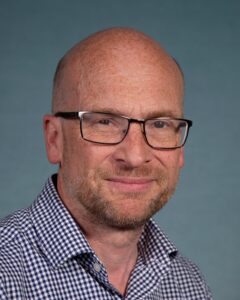
Professor Greenhalf has extensive experience in translational cancer research spanning academia and industry, including postdoctoral positions at Ciba-Geigy/Novartis in Basel and academic appointments in the UK and Brazil. His work integrates genomic analysis, biomarker development and clinical studies to improve early detection and patient stratification in pancreatic and hepatobiliary cancers.
He has led or co-led numerous major research initiatives funded by organisations including Cancer Research UK, the Medical Research Council, the Wellcome Trust, and the Department of Health and Social Care. His current portfolio includes leadership roles in the Liverpool ECMC, the EUROPAC programme, and national clinical trial infrastructure projects. He has authored over 180 peer-reviewed publications, including more than 50 as first or senior author, and has contributed extensively to collaborative international research aimed at improving outcomes for patients with pancreatic cancer.
Jen Morton
Glasgow, UK
Jen Morton is head of the Preclinical Pancreatic Cancer Laboratory at the CRUK Scotland (formerly Beatson) Institute and a Professor in the University of Glasgow School of Cancer Sciences. She qualified with a BSc in Medical Biochemistry from the University of Glasgow in 1998 and gained her PhD in Molecular Oncology in 2002. She carried out postdoctoral research at the University of Glasgow and then, from 2004 - 2007, at the University of Massachusetts Medical School, at which time she started to specialize in pancreatic cancer research. In 2007 she joined the CRUK Beatson Institute where she now leads a lab focused on research into pancreatic cancer. Her lab uses genetically engineered mouse models which develop pancreatic tumors that mimic the human disease in terms of the genes altered, the dense desmoplastic stroma, and their resistance to therapy. Work in her lab has generated insights into the importance of specific genetic changes identified in human tumors, metastasis, and the role of the microenvironment in supporting tumor growth and resistance to therapies. She works with both academic and industry collaborators to identify novel targets for therapy, both in tumor cells and in the microenvironment, and test new therapies preclinically to guide more effective clinical trials
Link to website here
Daniel Palmer
Director, Cancer Research UK Liverpool Experimental Cancer Medicine Centre
Professor and Honorary Consultant in Medical Oncology, University of Liverpool
Professor Palmer took his current position of Chair in Medical Oncology at the University of Liverpool in 2011.
His research interests relate to HPB cancers (liver, pancreas and biliary tract) and incorporate basic laboratory science, translational research and clinical trials. His laboratory research is currently investigating novel therapeutic approaches to the treatment of HPB cancer through stimulation of anti-tumour immune responses and targeting tumour micro-environment, and developing and validating biomarkers for a stratified approach to the treatment of pancreatic cancers. With colleagues in Liverpool he also has an interest in early detection of pancreatic cancer and is a core member of the ESPAC group. He is a member of the UK hepatobiliary and pancreatic Clinical Studies Groups and has been Chief Investigator for a number of national and international clinical trials in liver and pancreatic cancer. He is Director of the Cancer Research UK/NIHR Liverpool Experimental Cancer Medicine Centre and has established a portfolio of early phase clinical trials and translational studies associated with a large clinical practice for patients with pancreatic cancer.
Michael Schmid
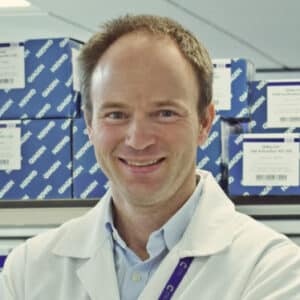
Professor Michael Schmid is a research group leader and the Head of the Department of Molecular and Clinical Cancer Medicine, University of Liverpool, UK. He received his PhD from the University of Basel, Switzerland, and completed his postdoctoral training at the Moores Cancer Center, UCSD, USA. Professor Schmid’s lab performs a research programme on the tumour microenvironment in pancreatic cancer metastasis. The main goal of his team is to gain a better understanding of where, when and how host immune cells enhance or suppress metastatic progression in pancreatic cancer to develop new treatments and diagnostics.
Website: https://www.liverpool.ac.uk/people/michael-schmid